
TL;DR - AI Summary
Getting Started with Your Balcony Container Garden
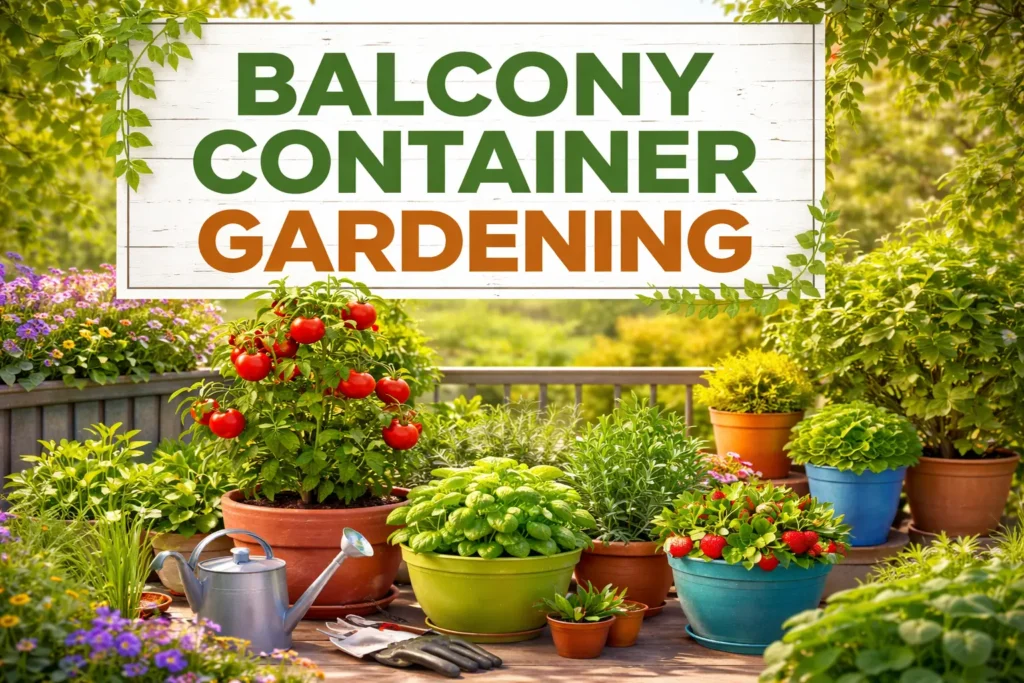
A balcony container garden lets you grow vegetables, herbs, flowers, and even some fruits in a small space. It’s different from in-ground gardening, but with the right setup and a little knowledge, you can have a thriving garden on your balcony. This guide will walk you through the basics of setting up your own beginner balcony container garden, covering everything from choosing the right containers to watering and fertilizing.
Choosing the Right Containers
The container is your garden bed, so choose wisely. Size, material, and drainage all matter.
Container Size
Bigger isn’t always better, but for most vegetables and fruits, a larger container is preferable. Small containers dry out quickly and restrict root growth. However, excessively large containers can retain too much moisture, leading to root rot, especially for beginners. A good starting point is a container that’s at least 12 inches in diameter and depth for most vegetables. For herbs and smaller plants, 8-10 inches may suffice. Some sources suggest only slightly upsizing from the plant’s original pot, but my experience is that a bit more space is beneficial.
Container Material
Plastic, terracotta, wood, and metal are all options. Plastic is lightweight and retains moisture well, which is good for hot, sunny balconies. Terracotta is porous and allows the soil to breathe, but it also dries out faster. Wood is attractive but can rot over time unless treated. Metal can heat up quickly in the sun, potentially damaging roots. I’ve had success with both plastic and terracotta, but I find plastic easier to manage because of the weight and moisture retention.
Drainage is Critical
No matter the material, drainage holes are essential. Without them, waterlogged soil will kill your plants. If your chosen container doesn’t have drainage holes, you’ll need to drill some. Place a layer of gravel or broken pottery at the bottom of the container to improve drainage. I’ve skipped this step before, and it didn’t cause immediate problems, but over the long term, it’s a good practice.
Selecting the Right Potting Mix
Don’t use garden soil in containers. It’s too heavy, compacts easily, and doesn’t drain well. Instead, use a potting mix specifically formulated for containers. These mixes are lighter, retain moisture, and provide good aeration for roots. You can find organic potting mixes, which are a good choice if you’re growing edibles. When starting seeds indoors, use a seed-starting mix. It’s even lighter than potting mix and doesn’t contain fertilizer, which seedlings don’t need initially.
Amending the Soil
Even with a good potting mix, adding some amendments can improve your results. Compost provides nutrients and improves drainage. Perlite and vermiculite help with aeration and moisture retention. Slow-release fertilizers provide a steady supply of nutrients over time. I often add a handful of compost and some slow-release fertilizer when planting. You can also add dolomite lime, which helps to balance the soil pH and provides calcium and magnesium.
Choosing the Right Plants for Your Balcony
Not all plants thrive in containers. Some need more space than a container can provide, while others are too sensitive to the conditions on a balcony. Here are some good choices for a beginner balcony container garden:
- Herbs: Basil, mint, thyme, rosemary, and oregano are all easy to grow in containers. See this guide on the best herbs for container gardening.
- Vegetables: Tomatoes, peppers, lettuce, spinach, and radishes are all good choices. Dwarf or bush varieties are best for containers. Check out our guide to the best vegetables for container gardening.
- Fruits: Strawberries and blueberries can be grown in containers. Use larger containers for blueberries, as they need acidic soil. More on the best fruits to grow in containers can be found here.
- Flowers: Marigolds, petunias, geraniums, and impatiens are all easy to grow and add color to your balcony.
Consider Your Balcony’s Conditions
Before choosing plants, consider the amount of sunlight your balcony receives. Most vegetables need at least 6-8 hours of sun per day. If your balcony is shady, choose plants that tolerate shade, such as lettuce, spinach, and impatiens. Also, consider the wind exposure. If your balcony is windy, choose plants that are sturdy and won’t be easily damaged. I’ve lost a few tomato plants to strong winds over the years, so it’s something to keep in mind.
Watering Your Balcony Container Garden
Watering is one of the most critical aspects of container gardening. Containers dry out faster than garden beds, especially on a sunny, windy balcony. Check your plants daily, and water when the top inch of soil feels dry. Water deeply, until water drains out of the drainage holes. Avoid watering the foliage, as this can promote disease. I prefer to water in the morning, so the foliage has time to dry before nightfall.
Watering Frequency
Watering frequency depends on the weather, the type of plant, and the size of the container. In hot, dry weather, you may need to water daily, or even twice a day. Smaller containers dry out faster than larger ones. Some plants, such as tomatoes and peppers, need more water than others. Overwatering is as bad as underwatering, so be sure to check the soil moisture before watering.
Self-Watering Containers
Self-watering containers can be a good option for balcony gardeners. They have a reservoir of water at the bottom, which the plants can draw on as needed. This can help to reduce the frequency of watering, but it’s still important to check the soil moisture regularly. I’ve used self-watering containers for tomatoes and peppers with good results.
Fertilizing Your Balcony Container Garden
Container plants need regular fertilization, as the nutrients in the potting mix are quickly depleted. Use a balanced fertilizer, such as 10-10-10, or a fertilizer specifically formulated for vegetables or herbs. Follow the instructions on the fertilizer package. You can also use organic fertilizers, such as compost tea or fish emulsion. I prefer slow-release fertilizers, as they provide a steady supply of nutrients over time. Avoid over-fertilizing, as this can damage your plants.
Dealing with Pests and Diseases
Balcony container gardens are less susceptible to pests and diseases than in-ground gardens, but they can still occur. Common pests include aphids, spider mites, and whiteflies. Common diseases include powdery mildew and fungal leaf spots. Inspect your plants regularly for signs of pests or diseases. If you find any, take action immediately. Insecticidal soap and horticultural oil can be used to control many pests. Fungicides can be used to control diseases. I prefer to use organic methods whenever possible.
Preventative Measures
Prevention is the best way to deal with pests and diseases. Keep your plants healthy by providing them with adequate water, nutrients, and sunlight. Space your plants properly to allow for good air circulation. Remove any dead or diseased leaves. Clean up any fallen debris around your plants. These simple steps can go a long way in preventing problems.
Maximizing Space in Your Balcony Container Garden
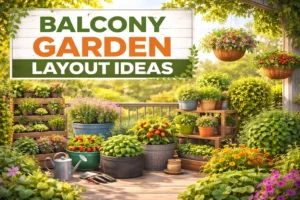
Balcony space is often limited, so it’s important to maximize the space you have. Here are some ideas:
- Vertical Gardening: Use trellises, hanging baskets, and wall planters to grow plants vertically. This can significantly increase the amount of growing space you have.
- Succession Planting: Plant new crops as soon as the previous ones are finished. This allows you to get the most out of your space.
- Companion Planting: Plant different types of plants together that benefit each other. For example, basil repels pests that attack tomatoes.
Common Mistakes to Avoid
Here are some common mistakes that beginner balcony container gardeners make:
- Using garden soil instead of potting mix.
- Not providing adequate drainage.
- Overwatering or underwatering.
- Not fertilizing regularly.
- Choosing the wrong plants for your balcony’s conditions.
- Planting too densely.
By avoiding these mistakes, you can increase your chances of success with your balcony container garden. Balcony gardening takes daily attention, especially to watering. Don’t assume rainfall will do the job. With a little effort, you can have fresh herbs, vegetables, and flowers right outside your door.
Frequently Asked Questions
What size containers should I use for a balcony garden?
For most vegetables, start with containers at least 12 inches in diameter and depth. Herbs and smaller plants can thrive in 8-10 inch containers. Bigger isn’t always better; excessively large containers can lead to waterlogged soil.
Can I use regular garden soil in my balcony containers?
No, don’t use garden soil. It’s too heavy and doesn’t drain well in containers. Use a potting mix specifically formulated for containers.
How often should I water my balcony container garden?
Check your plants daily and water when the top inch of soil feels dry. Water deeply until it drains from the holes. Frequency depends on weather, plant type, and container size.
What are some easy plants to grow in a balcony container garden?
Good choices include herbs like basil and mint, vegetables like tomatoes and lettuce, fruits like strawberries, and flowers like marigolds and petunias.
How can I maximize space in my balcony container garden?
Use vertical gardening techniques like trellises and hanging baskets. Consider succession planting to get the most out of your space.