
TL;DR - AI Summary
Selecting the right containers is essential for successful balcony gardening. The best balcony planter types balance weight, durability, drainage, and aesthetics. I’ve grown in containers on balconies for over 15 years, so I’ve learned what works and what doesn’t. This guide shares the most practical and reliable options to help you create a thriving balcony garden.
Choosing the Best Balcony Planter Types
The ideal planter depends on your balcony’s size, weight restrictions, and the plants you want to grow. Here’s a breakdown of the most common and effective options:
Plastic, Resin, and Fiberglass Planters
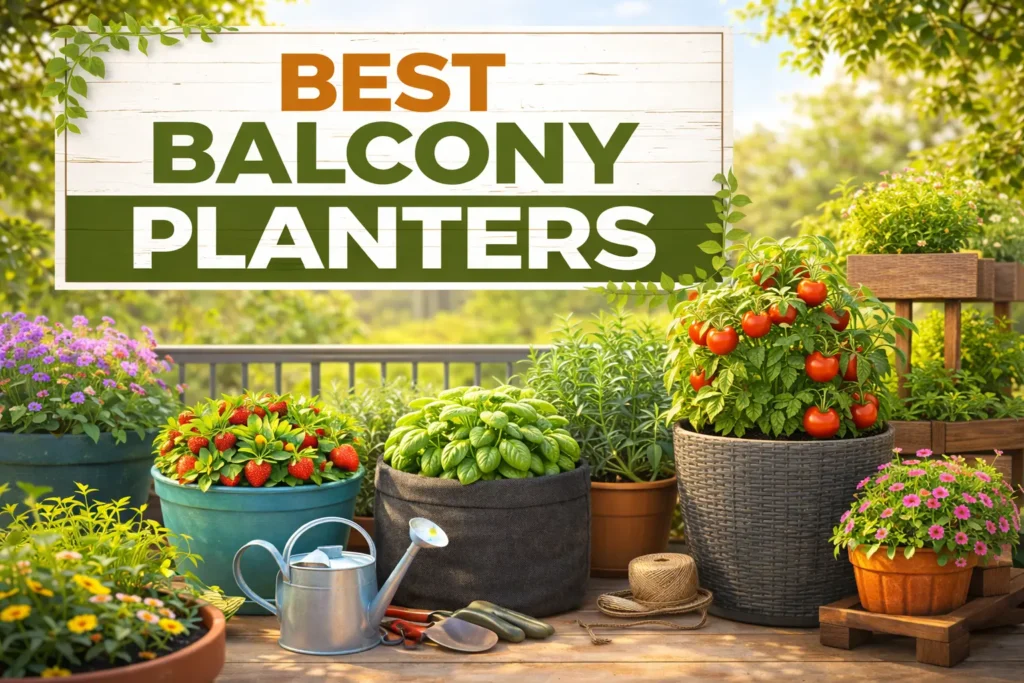
These are usually the best choice for most balconies. They’re lightweight, durable, and come in a huge range of sizes and styles. Unlike terracotta, they won’t crack in freezing temperatures. I’ve found plastic and resin planters hold up well to wind and weather. They are also easy to secure with brackets or by adding weight to the bottom.
Fabric Grow Bags
Fabric grow bags are another excellent option, especially if weight is a concern. They’re incredibly lightweight and provide great drainage. The fabric allows roots to breathe, which can lead to healthier plants. Plus, they’re easy to store during the off-season. I like that they fold flat when empty.
Hanging Baskets and Railing Planters
If you’re short on floor space, hanging baskets and railing planters are your best friend. They’re perfect for trailing plants like petunias, calibrachoa, or herbs. Just make sure they’re securely attached to your railing or hanging structure. I’ve seen too many baskets blown off in strong winds, so secure them well.
Tiered Planter Stands
Tiered stands are a great way to maximize vertical space on a small balcony. They allow you to stack multiple plants in a compact area. Look for sturdy stands that can handle the weight of multiple fully watered pots. I’ve used these to create mini herb gardens on tiny balconies.
What to Avoid: Heavy Materials
Avoid heavy ceramic or unglazed clay pots unless you’re absolutely sure your balcony can handle the weight. They also tend to dry out quickly and can shatter in freezing temperatures. I learned this the hard way when a beautiful ceramic pot cracked during a cold snap.
Practical Growing Requirements for Balcony Planters
Choosing the right planter is only half the battle. You also need to consider soil, watering, light, and container size.
Soil
Always use a high-quality potting mix, never garden soil. Garden soil compacts in containers and doesn’t provide adequate drainage. I prefer organic potting mixes with perlite or bark for improved drainage. Adding a layer of pebbles or mulch on top helps retain moisture. For herbs, you might want to read Best Herbs for Container Gardening: A Complete Beginner-to-Expert Guide for tips on specific soil needs.
Watering
Balcony planters tend to dry out much faster than in-ground gardens, especially in sunny or windy locations. Check your plants daily and water when the top inch of soil feels dry. Self-watering pots can be helpful, but make sure they have adequate drainage holes to prevent root rot. I’ve found that drilling extra holes is often necessary.
Light
Match your plants to your balcony’s light exposure. Sunny south-facing balconies are ideal for sun-loving plants like tomatoes and peppers. Shady north-facing balconies are better suited for ferns and hostas. Most vegetables and flowers need at least 6-8 hours of direct sunlight per day. East-facing balconies get morning sun, which is milder and suitable for a wider range of plants.
Container Size
The size of your container depends on the type of plant you’re growing. For annuals and herbs, a minimum of 8-10 inches wide and deep is usually sufficient. For perennials, shrubs, or larger vegetables, go for 12-18 inches or more. Larger containers retain moisture better and provide more room for root growth. For trees or shrubs like blueberries, you need 24 inches across, at minimum. Consider reading Best Fruits to Grow in Containers (Proven Choices for Small Spaces) for specific size recommendations.
One tip I’ve learned over the years is that grouping plants in one large container is often better than scattering them in many small ones. It helps even out moisture and nutrient levels.
Best Plant Varieties for Different Balcony Conditions
The right plant choices can make all the difference in your balcony garden’s success.
Sunny Balconies
If your balcony gets plenty of sun, consider these options:
- Butterfly milkweed (Asclepias tuberosa): A tough, pollinator-friendly plant that reseeds easily.
- Native wildflowers: Lanceleaf coreopsis, stiff goldenrod, nodding onion, partridge pea, spotted beebalm, wild rose.
- Edibles: Tomatoes, peppers, pole beans (with staking), Swiss chard ‘Rainbow’, lemongrass, basil varieties, sage, creeping rosemary.
- Annuals: Petunias, calibrachoa, verbena, dahlias, lavender, dianthus.
Shady Balconies
For balconies with limited sunlight, try these shade-tolerant plants:
- Ferns: Christmas fern, maidenhair fern, lady fern.
- Other shade-lovers: Solomon’s seal, cranesbill geranium, violets, wintergreen, wood phlox, heucheras, hostas, Rex begonias.
- Woodland stonecrop, alumroot.
Year-Round or Multi-Season Interest
To keep your balcony looking good throughout the year, consider these plants:
- Small shrubs/trees: Shadberry (Amelanchier), black haw viburnum, bayberry, New Jersey tea.
- Evergreens: Boxwood, small Norfolk pine (for winter green).
- Foliage plants: Coleus (for endless colors), polka dot plant.
Native plants often outperform non-natives in containers. I’ve had red columbine and prairie dropseed come back strong for years in my balcony garden.
Common Balcony Gardening Problems and Fixes
Balcony gardening comes with its own set of challenges. Here’s how to address some common issues:
Drying Out
Wind can quickly dry out your plants. Use larger pots, add mulch, or group pots together to shade the soil. Drip irrigation systems can be helpful if you travel frequently.
Root Rot
Poor drainage is a common cause of root rot. Use pots with adequate drainage holes and a well-draining potting mix. If you suspect root rot, repot the plant immediately and trim any mushy roots.
Wind Damage
Strong winds can knock over pots and damage plants. Secure your pots with ties or add weight to the bottom. Choose wind-tolerant plants like sedges or yarrow instead of floppy annuals.
Nutrient Deficiency
Container plants quickly deplete the nutrients in the soil. Fertilize every 4-6 weeks with diluted fish emulsion or slow-release granules. Yellow leaves are often a sign of nutrient deficiency.
Pests
Aphids, spider mites, and other pests can be a problem in balcony gardens. Knock them off with a strong spray of water or use neem oil. Overwintering gnats can be controlled by allowing the soil to dry out between waterings.
Overwintering Failures
Perennials can heave out of the soil during freeze-thaw cycles. Mulch heavily or move pots to a sheltered location. Some ferns, like Christmas fern, are more sensitive to cold than others.
I learned the hard way that proper drainage is crucial for overwintering success. One wet fall, half my pots turned to mush before I started tipping them sideways to drain excess water.
Seasonal Considerations and Planting Timing
Timing is everything when it comes to planting on your balcony.
Spring
Start with cool-season plants like pansies and primroses. You can also force forsythia branches in pots for early spring color. Once the nights warm up, switch to heat-tolerant annuals like petunias.
Summer
This is peak growing season. Monitor your plants closely and water more frequently during hot weather. Deadhead flowers regularly to encourage continued blooming.
Fall
Add mums, ornamental kale, and asters for fall color. Plant perennials now to give them time to establish roots before winter.
Winter
Hardy native plants like ferns, sedges, and evergreens can survive the winter if mulched. Move tender plants indoors or wrap pots in bubble wrap for insulation. Empty annual pots and store the soil in a dry place.
I’ve found that planting natives early in the spring helps them establish faster.
What Actually Works vs. Common Balcony Gardening Fails
Not everything works as well as you might hope. Here’s what I’ve learned from experience:
What Works
- Natives in medium-sized pots: They’re more resilient and can tolerate neglect better than fussy hybrids.
- Single, bold plants like dahlias or hostas: These create a strong visual impact and are easier to manage than complex combinations.
- Fabric bags for root health, plastic for ease of handling.
- Edibles tucked in among ornamental plants.
What Fails
- “Thriller-filler-spiller” combinations: These often look great in photos but can be difficult to maintain in windy conditions. One weak plant can ruin the entire arrangement.
- Terracotta pots on weight-limited balconies: They’re heavy, prone to cracking, and dry out quickly.
- Overpacking small pots: This leads to competition and stunted growth.
- Garden soil: It compacts and doesn’t provide adequate drainage.
- Delicate imported perennials: These often struggle to adapt to urban conditions. Stick with local natives.
- “Low-maintenance” annuals that require constant deadheading and pruning.
I wasted several seasons on petunias that succumbed to mildew in humid weather. Switching to verbena was a game-changer.
Recent Developments and Newer Techniques
Balcony gardening is constantly evolving. Here are some recent trends and innovations:
- Lightweight fiberglass and resin planters that mimic the look of stone.
- Self-watering planters with built-in reservoirs.
- Vertical tiered systems with integrated trellises for climbing plants.
- Emphasis on using native plants to support pollinators.
- “Pot communities” mixing sedges, ferns, and flowers for stability.
- Edible-foliage mixes like chard with coleus for year-round interest.
- Overwintering pots in unheated garages or with insulating wraps.
Frequently Asked Questions
What is the best material for balcony planters?
Plastic, resin, and fiberglass are generally the best materials for balcony planters because they are lightweight, durable, and come in a variety of sizes and styles. Fabric grow bags are also an excellent lightweight option.
How do I choose the right size planter for my balcony?
The size of the planter depends on the plants you want to grow. Annuals and herbs need at least 8-10 inches of width and depth, while perennials and larger vegetables need 12-18 inches or more. Trees and shrubs may require 24 inches or more.
How often should I water my balcony plants?
Balcony plants tend to dry out quickly, especially in sunny or windy locations. Check the soil daily and water when the top inch feels dry. Self-watering pots can help, but ensure they have good drainage.
What kind of soil should I use in my balcony planters?
Always use a high-quality potting mix, never garden soil. Organic potting mixes with perlite or bark provide good drainage and aeration for container plants.
How can I protect my balcony plants from wind damage?
Secure pots with ties or add weight to the bottom. Choose wind-tolerant plants like sedges or yarrow instead of floppy annuals. Grouping plants together can also provide some protection.