
TL;DR - AI Summary
Most people want to grow fruit at home for one simple reason.
They want fresh food without depending on stores.
But then reality hits.
They live in an apartment.
They have a small balcony.
They rent.
They tried growing something once and it died.
And almost every gardening article they read assumes they have a backyard, perfect soil, and unlimited time.
This guide is different.
This is not a random list of fruits.
This is a practical, experience based breakdown of which fruits truly work in containers and why, so you do not waste time, money, or motivation.
If you are short on space, new to gardening, or tired of failed attempts, this article is written for you.
First, an Honest Truth About Container Fruit Gardening
Not every fruit belongs in a pot.
Some fruits look great on Pinterest but struggle badly in containers. Others thrive and actually produce better in pots than in the ground.
Success depends on three things:
- Root behavior
- Growth habit
- Container compatibility
If a fruit plant has aggressive roots, grows too large, or needs constant ground moisture, it will fight you every step of the way.
The fruits below are chosen because they solve these problems.
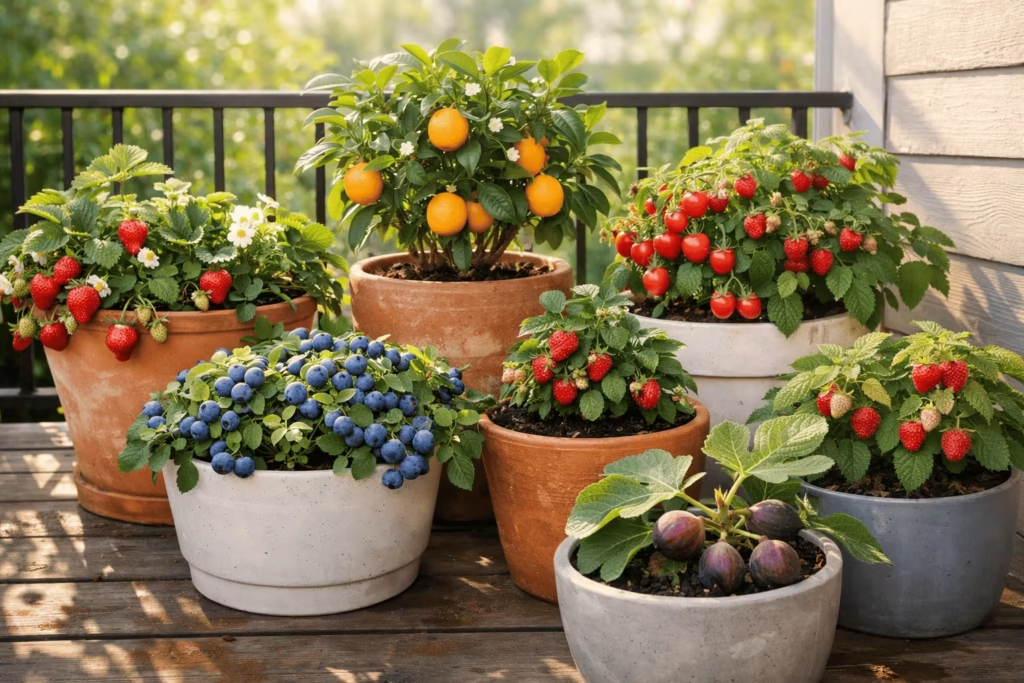
Strawberries (The Best Fruit for Beginners, Period)
If someone asks where to start with container fruit gardening, the answer is strawberries. Every time.
Why Strawberries Are Perfect for Containers
- Shallow root system
- Fast results
- High yield for small space
- Works in pots, hanging baskets, grow bags, window boxes
Strawberries do not need deep soil. They do not need years to mature. Many varieties fruit within the first season.
You also get visual feedback quickly, which is critical for beginners. Leaves grow fast. Flowers appear early. Fruits follow soon after.
Container Size That Actually Works
- Minimum depth: 6 to 8 inches
- Width matters more than depth
- Wide bowls, railing planters, and strawberry pots work best
Common Beginner Mistake
Too much water.
Strawberries hate soggy soil. Most failures happen because the pot does not drain well or watering is too frequent.
Best Strawberry Types for Containers
- Day neutral varieties for continuous harvest
- Everbearing varieties for balconies and patios
Blueberries (Yes, They Thrive in Pots if You Do This Right)
Blueberries are often labeled as difficult. That reputation comes from growing them in the ground, not containers.
In containers, blueberries are actually easier.
Why Blueberries Work So Well in Containers
- They need acidic soil
- Garden soil is usually too alkaline
- Containers let you control soil completely
When grown in pots, blueberries are protected from poor native soil and can thrive for years.
Container Requirements You Cannot Ignore
- Minimum pot size: 12 to 20 gallons
- Deep pot with excellent drainage
- Acidic potting mix designed for blueberries or acid loving plants
Sun Requirement
At least 6 hours of direct sunlight. Less sun means fewer berries.
Realistic Expectation
Blueberries will not explode with fruit in the first year. But once established, container grown plants can produce heavily for many seasons.
Dwarf Citrus Trees (Fresh Fruit Even in Apartments)
Citrus trees sound intimidating. They should not be.
Dwarf citrus varieties were literally bred for container growing.
Best Citrus for Containers
- Lemon
- Lime
- Calamondin orange
- Kumquat
Avoid full size citrus unless you enjoy constant stress and root problems.
Why Citrus Works in Pots
- Compact root systems
- Respond well to pruning
- Thrive in controlled soil environments
The Biggest Problem People Face
Light.
Citrus trees need a lot of sun. Indoor growers fail not because of watering or soil, but because the plant simply does not get enough light.
If you do not have strong sunlight, a grow light is not optional. It is necessary.
Container Size
- Start with 5 to 7 gallons
- Move up gradually
- Oversized pots cause water retention issues
Figs (Surprisingly Perfect for Containers)
Figs are one of the most underrated container fruits.
They are tough, forgiving, and incredibly productive when grown in pots.
Why Figs Are Container Friendly
- They actually prefer restricted roots
- Containers control size naturally
- Heavy fruit production even in small spaces
In ground, fig trees can become monsters. In containers, they stay manageable and productive.
Best Fig Types for Containers
- Brown Turkey
- Chicago Hardy
- Petite Negra
Important Tip Most Guides Skip
Do not overpot figs.
Slightly root bound figs produce more fruit. Too much space encourages leaves instead of figs.
Raspberries and Blackberries (Yes, With the Right Variety)
Most people assume berries need large garden beds. That is only true for aggressive varieties.
Container Friendly Berry Types
- Dwarf raspberries
- Thornless blackberries bred for pots
Avoid traditional spreading varieties. They will outgrow containers fast.
Why Container Berries Work
- Vertical growth
- Controlled spread
- Easier pruning
Container Requirements
- At least 10 gallons
- Strong support or trellis
- Consistent watering
Berries hate drying out. This is where many beginners struggle.
Pineapple (The Ultimate Patience Test That Actually Pays Off)
Pineapple is not fast. But it is incredibly satisfying.
Why Pineapple Works in Containers
- Extremely compact root system
- Thrives in pots
- Grows well indoors with bright light
You can grow pineapple from a grocery store top, which makes it one of the most accessible fruit plants.
The Real Expectation
- Takes 18 to 24 months to fruit
- One pineapple per plant
- Low maintenance
If you want fast harvests, pineapple is not for you. If you want a rewarding long term project, it is excellent.
Tomatoes (Yes, They Are Fruits and They Count)
Some people argue tomatoes are vegetables. Botanically, they are fruits. And they are one of the best container fruit plants available.
Why Tomatoes Dominate Container Gardening
- High yield
- Fast growth
- Endless varieties
The Key Choice That Determines Success
Indeterminate vs determinate.
For containers, determinate or compact cherry tomato varieties are far easier to manage.
Container Size
- Minimum 5 gallons per plant
- Bigger is always better for tomatoes
Most Common Failure
Underfeeding.
Tomatoes are heavy feeders. If your plant flowers but drops fruit, nutrition is usually the issue.
Dwarf Apple and Pear Trees (For Serious Growers)
This is not beginner level, but it is possible.
Why Dwarf Trees Work in Containers
- Grafted onto dwarf rootstock
- Controlled size
- Predictable growth
What You Must Accept
- Larger containers required
- Pruning is mandatory
- Patience is required
If you are willing to learn, container apples and pears can be incredibly rewarding.
Fruits That Sound Good but Usually Fail in Containers
This section matters just as much as the success list.
Avoid these unless you have experience.
- Watermelon
- Full size peach trees
- Avocado
- Banana (except dwarf ornamental types)
These plants need space, constant moisture, or years of growth that containers struggle to provide.
The Most Important Container Growing Rules (Read This Twice)
Most failures come from ignoring basics.
Rule 1: Drainage Is Non Negotiable
No drainage holes equals root rot. Always.
Rule 2: Do Not Use Garden Soil
It compacts. It suffocates roots. Always use quality potting mix.
Rule 3: Bigger Pots Are Safer Than Small Ones
Small pots dry faster and stress plants.
Rule 4: Sunlight Solves Many Problems
Most fruit issues are light related, not soil or water.
Rule 5: Containers Need Feeding
Nutrients wash out. Regular fertilization is required.
Is Growing Fruit in Containers Actually Worth It?
Yes, if you choose the right fruits.
No, if you try to grow everything.
Container fruit gardening works best when you focus on plants that want to grow this way, not ones you are forcing.
Strawberries, blueberries, citrus, figs, tomatoes, and dwarf berries are proven winners.
Start small. Build confidence. Expand slowly.
That is how people succeed, not by doing everything at once.
Final Thoughts
The biggest mistake beginners make is assuming failure means they are bad at gardening.
Most of the time, they just picked the wrong plant.
Containers are not a limitation. They are a tool.
When used correctly, they allow people with balconies, patios, and even windowsills to grow real fruit at home.
And that is powerful.
