
TL;DR - AI Summary
Quick Answer
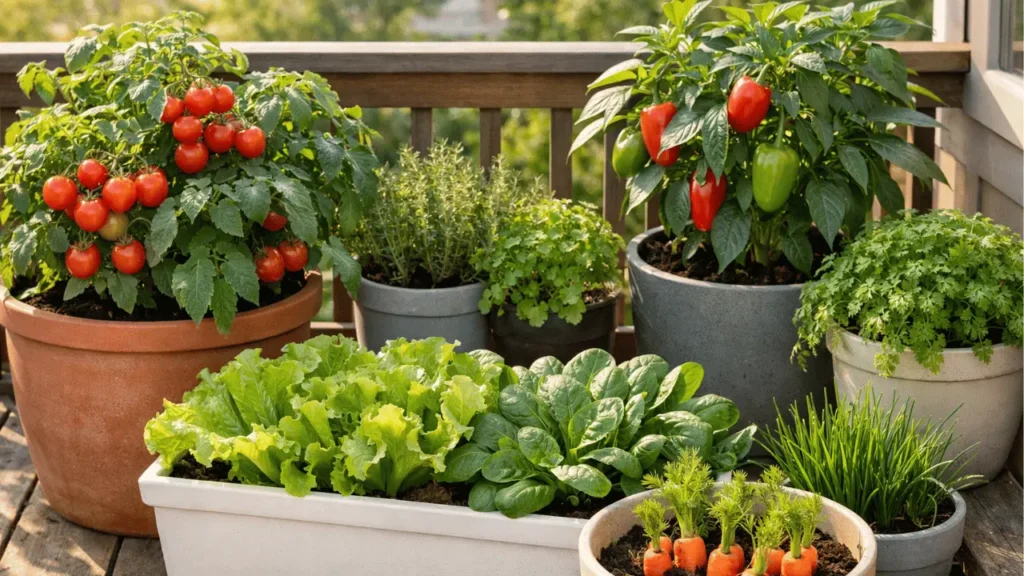
The best vegetables for container gardening are those that grow well in limited space and shallow soil. Tomatoes, peppers, lettuce, spinach, radishes, beans, carrots, herbs, and cucumbers are excellent choices for beginners. With the right pot size, soil, sunlight, and watering routine, you can grow fresh vegetables almost anywhere.
Why This Happens
Container gardening works so well because many vegetables do not actually need open ground to grow. What they really need is enough room for their roots, steady water, sunlight, and nutrients.
In nature, plants adapt to survive in cracks, hillsides, and shallow soil. When we give them a container that meets their basic needs, they grow just as happily as they would in a garden bed. The mistake most beginners make is assuming that all vegetables need deep soil and lots of space. That simply is not true.
Container gardening removes common barriers like poor soil, lack of yard space, and weeds. It also gives you more control. You control the soil, the drainage, and how much water the plant receives. That is why container gardening is often easier than traditional gardening, especially for beginners.
Pot Size and Container Depth
Choosing the right container is one of the most important steps. Too small, and the plant struggles. Too large, and you may waste soil and water.
Here is a simple breakdown of the best vegetables for container gardening and the pot sizes they need.
Tomatoes
Tomatoes are one of the most popular container vegetables.
- Minimum pot size: 5 gallons per plant
- Depth needed: At least 12 to 18 inches
Cherry and patio tomatoes perform best in containers. Larger tomato varieties need more space and strong support. Always use a sturdy container because tomatoes grow heavy.
Peppers
Peppers grow slowly but steadily and adapt well to pots.
- Minimum pot size: 3 to 5 gallons
- Depth needed: 10 to 12 inches
Bell peppers, chili peppers, and jalapeños all grow well in containers.
Lettuce
Lettuce is one of the easiest vegetables for beginners.
- Minimum pot size: 6 to 8 inches deep
- Depth needed: 6 to 8 inches
Wide containers work better than deep ones. You can grow multiple lettuce plants in the same container.
Spinach
Spinach grows fast and prefers cooler weather.
- Minimum pot size: 6 to 8 inches deep
- Depth needed: 6 to 8 inches
Shallow containers are enough, making spinach perfect for window boxes.
Radishes
Radishes are ideal for beginners because they grow quickly.
- Minimum pot size: 8 inches deep
- Depth needed: 8 to 10 inches
Short varieties like Cherry Belle work best.
Carrots
Carrots can grow in containers if the depth is right.
- Minimum pot size: 12 inches deep
- Depth needed: Depends on variety
Choose short or round carrot varieties like Parisian or Thumbelina for containers.
Beans
Bush beans are best for containers.
- Minimum pot size: 10 to 12 inches deep
- Depth needed: 10 inches
Avoid pole beans unless you have space for a trellis.
Cucumbers
Compact cucumber varieties thrive in containers.
- Minimum pot size: 5 gallons
- Depth needed: 12 inches
Use a trellis or allow vines to trail over the edge.
Herbs
Most herbs are perfect for containers.
- Minimum pot size: 6 to 8 inches
- Depth needed: 6 to 10 inches
Basil, mint, parsley, cilantro, thyme, and oregano all do well.
Soil Requirements
Soil quality matters more in containers than in garden beds. You cannot rely on natural soil life to fix mistakes.
Use Potting Mix, Not Garden Soil
Never use soil from your yard in containers. Garden soil becomes compacted and holds too much water. This suffocates roots.
Instead, use a high-quality potting mix. Potting mix is designed to stay loose, drain well, and hold nutrients.
What to Look for in a Good Potting Mix
- Light and fluffy texture
- Good drainage
- Contains compost or organic matter
You can improve store-bought potting mix by adding:
- Compost for nutrients
- Perlite or sand for better drainage
- Coconut coir for moisture balance
Nutrients Matter
Container soil loses nutrients quickly. Vegetables are heavy feeders. After a few weeks, the soil will need help.
Use one of the following:
- Organic compost every 2 to 3 weeks
- Liquid fertilizer every 7 to 14 days
- Slow-release fertilizer mixed into the soil
Without regular feeding, plants may look healthy at first and then suddenly stop growing.
Watering Frequency
Watering is where most beginners struggle.
Containers dry out faster than garden beds. Sun, wind, and heat pull moisture from pots quickly.
General Watering Guidelines
- Check soil daily in warm weather
- Water when the top inch of soil feels dry
- Water deeply until it drains from the bottom
Morning watering is best. It reduces evaporation and helps prevent disease.
Signs of Underwatering
- Wilting leaves
- Dry, crumbly soil
- Slow growth
Signs of Overwatering
- Yellow leaves
- Mushy stems
- Bad smell from soil
Always ensure containers have drainage holes. Without drainage, roots rot even if watering is minimal.
Sunlight Needs
Most vegetables need sunlight to produce food.
Full Sun Vegetables
These need at least 6 to 8 hours of direct sunlight daily:
- Tomatoes
- Peppers
- Cucumbers
- Beans
- Carrots
Partial Sun Vegetables
These grow well with 3 to 5 hours of sun:
- Lettuce
- Spinach
- Herbs like parsley and cilantro
If your space gets limited sunlight, focus on leafy greens. They are forgiving and still productive.
Balconies and patios often receive uneven light. Rotate containers every few days so plants grow evenly.
Common Mistakes
Many container gardeners fail for the same reasons.
Using Containers That Are Too Small
Small pots restrict roots and dry out quickly. Plants may survive but will not thrive.
Overwatering or Underwatering
Watering on a schedule instead of checking soil causes problems. Plants do not follow calendars.
Ignoring Fertilizer
Container soil does not renew itself. Without feeding, plants slowly starve.
Poor Drainage
Containers without drainage holes trap water and kill roots.
Too Much Sun for Leafy Greens
Lettuce and spinach bolt quickly in heat. Too much sun makes them bitter.
How to Fix or Improve Your Container Garden
If your plants are struggling, improvement is usually simple.
Upgrade Container Size
Move plants to larger pots if roots are crowded. This alone can revive growth.
Improve Soil Quality
Refresh soil by adding compost or replacing old potting mix.
Adjust Watering Habits
Check soil moisture daily. Use mulch to reduce evaporation.
Feed Regularly
Use a balanced fertilizer. Leafy greens prefer nitrogen. Fruiting plants need potassium.
Choose the Right Varieties
Look for labels that say:
- Patio
- Bush
- Compact
- Container-friendly
These varieties are bred for limited space.
FAQs
1. Can I grow vegetables indoors in containers?
Yes, but only leafy greens and herbs perform well indoors without grow lights. Fruiting vegetables usually need stronger light.
2. How many vegetables can I plant in one container?
It depends on the plant. Lettuce can be grown densely. Tomatoes need one plant per container.
3. Do containers need holes at the bottom?
Yes. Drainage holes are essential. Without them, roots will rot.
4. How long do container vegetables take to grow?
Leafy greens can be harvested in 30 to 45 days. Tomatoes and peppers take 60 to 90 days.
5. Can I reuse potting soil next season?
Yes, but refresh it with compost and fertilizer. Remove old roots and loosen the soil.
Final Thoughts
Container gardening is one of the easiest ways to grow your own food. You do not need a backyard or farming experience. You just need the right vegetables, the right containers, and basic care.
Start small. Grow what you enjoy eating. Learn as you go. Even mistakes teach valuable lessons.
With time, your containers will produce more than vegetables. They will give you confidence, routine, and the satisfaction of growing something with your own hands.
If you are consistent, container gardening will reward you far more than you expect.
